Aviation Oxygen Requirements: A Complete Guide
Aviation oxygen requirements are rules ensuring pilots and passengers get enough oxygen at high altitudes to prevent hypoxia and maintain safety and performance.
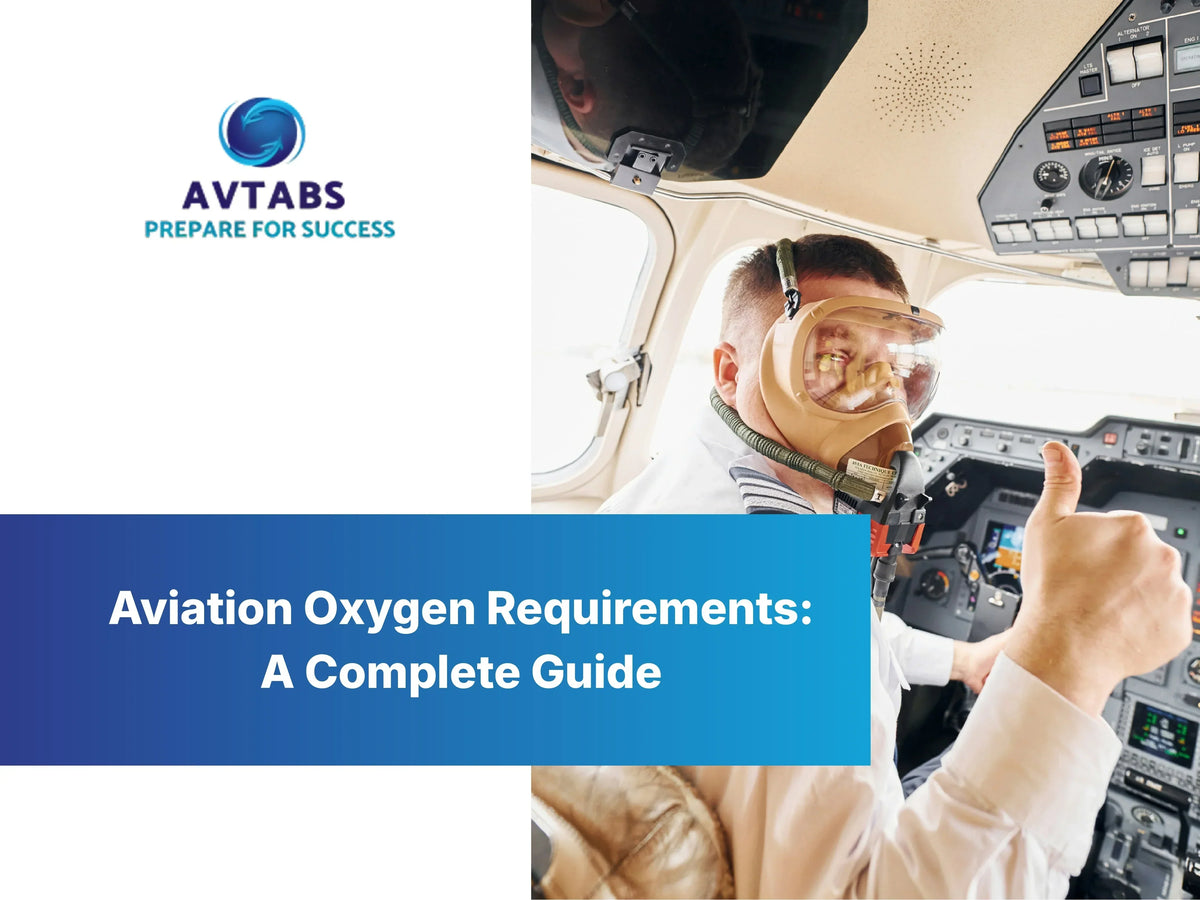
Federal Aviation Administration regulations under FAR 91.211 mandate supplemental oxygen in aviation above 12,500 feet MSL after 30 minutes. The required crew must use oxygen continuously when operating above 14,000 feet, and the system must be capable of supplying all passengers once the altitude exceeds 15,000 feet. Oxygen systems support these requirements using high-pressure cylinders, tested at 5/3 of service pressure, and supplying approximately 99.5% pure aviator's breathing oxygen with controlled moisture levels to ensure safe delivery at altitude.
These requirements prevent hypoxia, a condition that impairs cognition, coordination, and decision-making at higher altitudes. Aviation oxygen systems use regulators, flow controllers, and masks to maintain safe oxygen levels, while maintenance protocols and compliance standards ensure system reliability. Adherence to FAA and ICAO guidelines ensures pilot performance, passenger safety, and safe aircraft operation.
Why Oxygen Requirements Matter in Aviation?
Oxygen requirements matter in aviation because inadequate oxygen at higher altitudes impairs pilots' cognition, threatens passenger safety, and compromises aircraft performance. The Federal Aviation Administration (FAA) mandates supplemental oxygen use above 12,500 feet Mean Sea Level (MSL) for extended periods or above 14,000 feet MSL continuously. These regulations protect crew decision-making capability and passenger well-being while maintaining operational efficiency.
Reliable oxygen delivery systems, including masks, regulators, and flow indicators, provide continuous oxygen supply, ensuring compliance with FAR 91.211 and supporting safe, dependable aviation operations at all altitudes.
Hypoxia Prevention
Hypoxia occurs when the body lacks sufficient oxygen at high altitudes, such as above 10,000 feet MSL, due to lower atmospheric pressure. As atmospheric pressure decreases, the body fails to maintain adequate oxygen saturation, impairing cognitive function, motor coordination, and vision while causing dizziness and reduced consciousness. Dangerously, pilots may not recognize early symptoms, delaying corrective action.
FAA Requirements (FAR 91.211) mandate supplemental oxygen use to prevent hypoxia:
- 12,500-14,000 feet MSL: Required flight crew must use oxygen if time exceeds 30 minutes.
- Above 14,000 feet: The required flight crew must use oxygen continuously.
- Above 15,000 feet: All occupants must receive supplemental oxygen, and the crew must use it.
Oxygen masks and nasal cannulas stabilize oxygen levels, maintaining clear vision and awareness. Pilots must actively monitor oxygen equipment, flow indicators, and quantity gauges, and respond immediately to symptoms by deploying supplemental oxygen or descending to a lower altitude to restore cognitive function.
Pilot and Passenger Safety
Aviation oxygen requirements protect both flight crews and passengers from hypoxia-induced impairment at altitude. Reduced oxygen levels slow reaction time, impair vision, and compromise decision-making by jeopardizing aircraft control. FAA compliance mandates the use of oxygen above defined altitude thresholds, ensuring pilots maintain clear awareness and operational safety.
For passengers, supplemental oxygen systems deploy automatically in pressurized aircraft during cabin pressure loss and in unpressurized aircraft, preventing dizziness and breathing discomfort. Quick-donning masks enable crews to respond within seconds during emergencies, preventing loss of consciousness. Oxygen equipment, such as masks, regulators, and flow indicators, ensures controlled oxygen delivery during climb, cruise, and descent phases. Legal compliance under FAR 91.211 ensures the safety of both crew and passengers while maintaining regulatory standards and reliable aircraft operation under all flight conditions.
Performance and Decision-Making at Altitude
Reduced oxygen directly impairs brain function, slowing processing, shortening attention spans, and weakening judgment, which results in a dangerous sense of false confidence while a pilot's ability to interpret instruments or respond to airspace changes actually deteriorates. This cognitive decline is primarily caused by hypoxia, which strikes the cerebral cortex first. Oxygen deprivation simultaneously reduces reaction time and disrupts motor coordination, increasing operational errors during critical climb and descent phases.
Adequate oxygen supply enables consistent performance across all altitudes, allowing pilots to monitor systems efficiently and adjust oxygen flow rates. Without proper acclimatization or supplemental support, physical fatigue and mental fog become inevitable. Aviation oxygen requirements ensure stable mental performance, accurate decision-making, safe navigation, and reliable aircraft operation. While maintaining FAA compliance to mitigate high-risk environments at higher altitudes.
FAA Oxygen Requirements: Rules by Aircraft and Operation
The FAA mandates supplemental oxygen use based on specific altitude thresholds to prevent the onset of hypoxia. In unpressurized aircraft, the crew uses oxygen above 12,500 feet MSL, continuously above 14,000 feet, while passengers receive it above 15,000 feet. Pressurized aircraft trigger these based on cabin altitude, keeping oxygen needs low unless pressure fails.
While Part 91 follows these basics, Part 135 and ICAO enforce stricter standards often requiring continuous crew oxygen above 10,000 to 13,000 feet, to ensure global safety, pilot performance, and passenger protection during high-altitude operations.
Unpressurized Aircraft
Unpressurized aircraft operate without a cabin pressure system, which means cabin altitude rises directly with flight altitude. As the aircraft ascends, atmospheric oxygen levels decrease, reducing oxygen availability and increasing the risk of hypoxia. Lower atmospheric pressure impairs oxygen absorption in the lungs, compromising cognitive function and physical coordination for pilots, crew, and passengers.
Pilots operating unpressurized aircraft must monitor oxygen levels carefully and plan oxygen supply before flight. Oxygen systems, such as portable or built-in models, deliver oxygen via masks or nasal cannulas. Proper oxygen management ensures regulatory compliance, prevents hypoxia symptoms (dizziness, headache, impaired vision), and maintains safe aircraft operation at higher flight altitudes.
Night Flying Oxygen Rules
While FAA regulations mandate oxygen above 12,500 feet, many pilots adopt a more conservative "night thumb rule" of using it above 5,000 feet. This is because the eye's rod cells are highly sensitive to oxygen deprivation; even mild hypoxia at moderate altitudes can cause "tunnel vision" and degrade the ability to identify terrain or dimly lit instruments. By maintaining higher oxygen saturation after dark, aviators preserve critical peripheral vision and reaction times, mitigating the unique physiological risks of the night flight environment.
Pressurized Aircraft
Pressurized aircraft maintain cabin altitude between 6,000 and 8,000 feet MSL, even at flight altitudes of 30,000 feet MSL or higher, thereby preserving adequate oxygen levels under normal conditions. However, supplemental oxygen remains critical when cabin altitude exceeds thresholds due to system limitations or a pressurization failure, increasing the risk of rapid hypoxia. FAA oxygen requirements for pressurized aircraft depend on cabin altitude, not flight altitude.
Passenger oxygen systems deploy automatically when cabin pressure drops. Pilots must continuously monitor cabin altitude, cabin pressure, and oxygen levels. Quick-donning masks and built-in oxygen systems enable immediate response to pressure loss, ensuring FAA compliance and operational safety.
14 CFR Part 91 vs Part 135 Requirements
14 CFR Part 91 governs general aviation, such as private pilots and personal aircraft, while Part 135 regulates commercial operations like charters and air taxis. While both define essential safety standards, Part 135 enforces much stricter compliance thresholds to maintain higher safety margins for fare-paying passengers.
Part 135 operators must go beyond the basic thresholds found in a Pre-Tabbed FAR/AIM to ensure passenger safety. These stricter requirements include:
- Continuous Readiness: Oxygen equipment must remain readily available and be maintained to commercial standards at all times.
- Lower Thresholds: Crew members are often required to use oxygen at lower altitudes than Part 91 pilots, based on specific flight conditions and company SOPs.
- System Monitoring: Operators must ensure a continuous supply and utilize active monitoring systems and compliance checks throughout the flight.
- Rigorous Maintenance: Part 135 requires frequent system inspections, pressure testing, and structured oxygen-management training for all crew members.
ICAO Requirements for International Operations
The International Civil Aviation Organization (ICAO) establishes global aviation oxygen standards to ensure consistent oxygen use for crews and passengers across international airspace.
- Flight crew oxygen use: ICAO mandates that flight crews use supplemental oxygen when cabin altitude exceeds approximately 13,000 feet MSL to ensure adequate oxygen levels and prevent hypoxia.
- Continuous oxygen at higher altitudes: At higher cabin altitudes, continuous oxygen use becomes mandatory to maintain stable cognitive function and safe aircraft operation.
- Passenger oxygen requirements: Provide supplemental oxygen when cabin altitude exceeds approximately 15,000 feet MSL, which prevents dizziness, impaired consciousness, and other hypoxia symptoms.
- Cabin vs flight altitude application: ICAO oxygen requirements are based on cabin altitude in pressurized aircraft and flight altitude in unpressurized aircraft, ensuring accurate oxygen regulation across different operating conditions.
- International compliance standards: Pilots operating internationally must comply with ICAO standards alongside national authority rules. Ensuring proper oxygen systems, equipment, monitoring, and crew training to ensure safe, compliant international flight operations and consistency in global aviation safety.
Aviation Oxygen Systems and Components
Aviation oxygen systems provide vital breathing gas at high altitudes using stored oxygen, liquid oxygen, or chemical oxygen, delivered through regulators to masks or cannulas. These systems utilize specialized hardware, such as aluminum or Kevlar cylinders and pulse-demand flow controllers, to prevent hypoxia. In practice, flight decks typically use demand-based systems for maximum safety, while passenger cabins rely on continuous-flow or rebreather setups.
Types of Oxygen Systems
Aviation oxygen systems are categorized by storage methods, such as gaseous oxygen, liquid oxygen, and chemical oxygen generators, and delivery mechanisms, including continuous-flow, diluter-demand, and pressure-demand. These include crew oxygen systems, passenger oxygen systems, portable oxygen systems, and chemical generator types to ensure safety.
For a comprehensive understanding of how these systems function within the broader scope of flight safety, many pilots use aPre-Tabbed Pilot's Handbook of Aeronautical Knowledge (PHAK). By precisely regulating flow rates and pressure based on specific altitudes and operating conditions, these systems ensure the aircraft remains within safe physiological limits for all on board.
- Crew Oxygen Systems
A crew oxygen system provides a regulated oxygen flow to support pilot and crew performance during high-altitude flight and emergencies. These systems use diluter-demand or pressure-demand regulators to synchronize oxygen delivery with the pilot's breathing and current cabin altitude.
Equipped with quick-donning masks, crew oxygen systems enable immediate oxygen use, ensuring the pilot maintains cognitive clarity, stable motor control, and effective decision-making. These systems support safe aircraft recovery and continuous flight operation under high-altitude and emergency conditions.
- Passenger Oxygen Systems
Passenger oxygen systems supply supplemental oxygen to passengers during cabin depressurization and high cabin altitude conditions. These systems use chemical oxygen generators or stored gaseous oxygen and deploy masks automatically when cabin altitude exceeds approximately 15,000 feet MSL.
The system delivers a continuous oxygen flow through masks, which prevents hypoxia and maintains passenger stability without manual action. FAA oxygen requirements ensure that these systems provide a reliable oxygen supply and meet safety standards to protect passengers during flight.
- Portable Oxygen Systems
Portable oxygen systems provide supplemental oxygen through self-contained units used in aircraft without built-in oxygen systems. These systems integrate compact high-pressure oxygen cylinders with adjustable flow regulators to supply oxygen during high-altitude flight.
Pilots use portable oxygen systems to comply with FAA oxygen requirements, particularly above 12,500 feet MSL in unpressurized aircraft. The system offers mobility, easy storage, and flexible oxygen delivery, ensuring adequate oxygen supply for both crew and passengers without requiring permanent installation on the aircraft.
- Chemical Oxygen Generators
Often referred to as "oxygen candles," chemical oxygen generators are compact units that provide a high-reliability, maintenance-free emergency solution through a controlled chemical reaction upon activation. These systems are commonly installed in passenger oxygen systems and deploy automatically when cabin altitude exceeds safe limits.
Once activated, the generator provides a continuous oxygen supply for a limited time, allowing passengers to breathe safely until the aircraft descends to a lower altitude. Chemical oxygen generators require no stored oxygen tanks, which makes them compact, reliable, and suitable for emergency oxygen supply in aircraft.
Key Components of an Aviation Oxygen System
Aviation oxygen systems include components that store, regulate, control, and deliver supplemental oxygen to the pilot, crew, and passengers during high-altitude flight. These components include an oxygen supply source, such as gaseous, liquid, or chemical systems, and a pressure regulator that reduces high storage pressure to a safe level. Flow control devices that adjust oxygen flow rates and delivery equipment, such as masks or nasal cannulas. High-pressure cylinders, operating at 1800-2200 PSI, store oxygen and deliver it through regulators that ensure a stable, breathable flow. Flow control systems, including continuous-flow and pulse-demand units, synchronize oxygen delivery with breathing to improve efficiency and extend oxygen duration.
- Oxygen Supply Source
Aviation oxygen supply sources provide the primary oxygen reserve that feeds the aircraft oxygen system during high-altitude flight. These systems include high-pressure gaseous cylinders, liquid oxygen (LOX) systems, chemical oxygen generators, and On-Board Oxygen Generation Systems (OBOGS). Gaseous cylinders, rated between 1800 and 2200 PSI, store oxygen in aluminum or composite tanks and supply a reliable, refillable oxygen source.
LOX systems store oxygen at cryogenic temperatures to increase storage efficiency and convert it to gas for delivery. Chemical oxygen generators produce oxygen through a controlled reaction for emergency use, while OBOGS extract oxygen from engine bleed air using molecular sieve technology to provide a continuous oxygen supply. These supply sources ensure a reliable oxygen supply, supporting safe aircraft operation and preventing hypoxia at higher altitudes.
- Pressure Regulators
Pressure regulators reduce and control high oxygen storage pressure to safe, breathable levels for delivery within the aircraft oxygen system. These components step down cylinder pressure, often up to 2200 PSI, to usable levels typically between 50 and 70 PSI, ensuring stable oxygen flow to the pilot, crew, and passengers. Pressure regulators maintain consistent oxygen delivery by adjusting output based on ambient altitude and system demand.
Advanced regulators use altitude-compensated control to increase delivery pressure as atmospheric pressure decreases, which helps prevent hypoxia. Many regulators also include overpressure relief valves that release excess pressure, protecting system components and ensuring safe, reliable oxygen delivery in both continuous-flow and demand-based systems.
- Oxygen Masks and Cannulas
Nasal cannulas provide a continuous oxygen flow and are used in unpressurized aircraft up to approximately 18,000 feet MSL, where lower oxygen demand allows for comfortable, extended use. At higher altitudes, oral-nasal masks deliver higher oxygen concentrations and provide a secure seal to prevent hypoxia.
Flight crew uses quick-donning masks that enable rapid, one-handed deployment during cabin decompression and often include integrated microphones for communication. At extreme altitudes above 40,000 feet MSL, pressure-demand masks deliver oxygen under positive pressure to ensure adequate oxygen absorption. These delivery systems ensure effective oxygen flow, maintain physiological stability, and support safe aircraft operation across varying altitude conditions.
- Flow Indicators and Flowmeters
The aviation oxygen system uses flow indicators and flowmeters to monitor and measure oxygen flow, ensuring proper oxygen delivery. Flow indicators provide visual confirmation of oxygen flow via rotating balls or vanes, helping detect issues such as blocked or kinked lines. While flowmeters measure oxygen flow rates in liters per minute (LPM) and allow the pilot to adjust flow based on cabin altitude and oxygen requirements.
Many flowmeters include altitude-based settings that align flow rates with specific flight altitudes, preventing oxygen waste and maintaining efficient supply. In advanced systems, these components integrate with pulse-demand controllers that synchronize oxygen delivery with breathing, which ensures accurate oxygen use, system efficiency, and FAA compliance.
- Distribution System
The distribution system transports supplemental oxygen from the supply source to the pilot, crew, and passengers through a network of tubing, valves, and connectors. This system uses high-pressure lines to carry oxygen from storage cylinders to regulators, where pressure is reduced to safe levels.
Low-pressure delivery lines then route oxygen to individual outlets in the cockpit and cabin. Manifolds and check valves control the direction of oxygen flow and prevent backflow, while quick-disconnect outlets allow masks or cannulas to connect securely. These components ensure continuous oxygen flow, maintain system pressure integrity, and support reliable oxygen delivery during flight.
- Warning System
The warning system monitors oxygen supply and system performance to alert the pilot and crew to potential failures during flight. This system uses sensors to detect low pressure, reduced oxygen quantity, or flow interruptions within the distribution lines. Cockpit alerts notify the crew when the oxygen supply drops due to leaks or depletion, or when the cabin altitude rises rapidly above 14,000 feet. Quantity indicators display remaining oxygen levels and trigger low-level warnings when supply falls below safe limits.
Flow failure annunciators detect blockages or delivery issues, which allow the pilot to verify that oxygen reaches the masks or cannulas. These warning mechanisms enable immediate response, ensure continuous oxygen availability, and maintain safe aircraft operation.
Aviation Oxygen System Maintenance and Compliance
Aviation oxygen maintenance adheres to FAA and DOT standards to ensure oxygen systems remain safe, functional, and compliant during high-altitude operations. Aircraft technicians perform hydrostatic testing every 3 to 5 years to verify cylinder integrity and use only Aviator's Breathing Oxygen (ABO) to prevent regulator icing. Also, petroleum-based substances are strictly avoided to eliminate the risk of fire and contamination. Maintenance involves leak checks, pressure tests, and mask deployment evaluations, which must be documented and certified. These procedures ensure system reliability, continuous oxygen availability, and regulatory compliance, supporting safe aircraft operations.
Inspection Requirements
Aviation oxygen inspection requirements define procedures that verify system integrity and ensure safe operation. Pre-flight checks confirm pressure levels and regulator function, while scheduled inspections examine tubing, valves, and cylinder test status. Aviation technicians test regulators for proper pressure output and inspect masks and cannulas for wear. In pressurized aircraft, deployment tests verify the automatic activation of the oxygen system. These inspections ensure a reliable oxygen supply and maintain FAA compliance.
| Inspection Type | Procedure | Purpose |
| Pre-flight check | Verify pressure levels, regulator function, and mask readiness | Ensure immediate system readiness |
| Annual / 100-hour | Inspect tubing, valves, contamination, and hydrostatic dates | Detect wear, leaks, and compliance gaps |
| Regulator bench testing | Validate pressure output (50-70 PSI) | Ensure safe and stable oxygen delivery |
| Component inspection | Check masks, cannulas, and seals for degradation | Maintain effective oxygen delivery |
| Deployment testing | Simulate cabin altitude trigger for passenger systems | Verify emergency oxygen activation |
Oxygen System Testing and Certification
Define structured procedures that verify system performance, confirm structural integrity, and ensure full compliance with FAA and DOT regulations before flight approval. Aviation maintenance technicians perform hydrostatic pressure testing on cylinders, typically at 5/3 of their service pressure, to confirm strength and measure expansion limits. The system must pass leak tests throughout the distribution network, with oxygen purity verified at approximately 99.5% and the dew point maintained below -54°C to prevent regulator icing.
Critical components such as masks and regulators must meet Technical Standard Order (TSO) requirements for performance, safety, and durability. In pressurized aircraft, certification includes deployment testing to confirm that passenger oxygen systems activate automatically when cabin altitude reaches approximately 14,000 feet. These procedures ensure system reliability, maintain FAA compliance, and support safe aircraft operation.
Storage and Handling Requirements
Storage and handling requirements define procedures that ensure safe storage, contamination control, and operational readiness of aviation oxygen systems. Oxygen cylinders must be stored in clean, cool, well-ventilated areas, secured to prevent physical damage and pressure instability. Because oxygen is a strong oxidizer, all equipment must remain free of petroleum-based substances to eliminate the risk of fire and ignition. Temperature control is critical, as increased heat raises the internal cylinder pressure and may activate pressure-relief devices, resulting in oxygen loss.
Aircraft mechanics use oxygen-compatible leak-detection methods and protective covers for valves, ports, and masks to prevent contamination and maintain system integrity. These practices ensure safe handling, preserve oxygen purity, and support compliance with FAA and DOT standards for reliable aircraft operation.
Operational Best Practices
Effective management of aviation oxygen systems requires structured operational practices that ensure proper use, continuous monitoring, and system reliability during flight. Pilots must verify oxygen supply before flight, including maintaining a reserve above planned requirements to account for delays or system loss. Crew members must perform quick-donning drills to ensure masks can be secured within seconds during decompression.
During flight, pilots must monitor flow indicators to confirm oxygen delivery and detect system failures. Proper handling requires avoiding petroleum-based substances to prevent ignition in oxygen-rich environments. Pilots must also plan emergency descent procedures to reach altitudes below 10,000 feet MSL in the event of an oxygen supply failure. These practices ensure a continuous supply of oxygen, support safe aircraft operation, and maintain compliance with FAA oxygen requirements.
Frequently Asked Questions
At what altitude is supplemental oxygen required?
Supplemental oxygen is required at cabin pressure altitudes above 12,500 feet MSL if exposure exceeds 30 minutes, and at all times above 14,000 feet MSL for the required flight crew. Passengers must be provided oxygen above 15,000 feet MSL. In many pressurized aircraft, oxygen masks deploy automatically when the cabin altitude reaches approximately 14,000 feet.
Do private pilots need to carry oxygen?
Private pilots need to carry supplemental oxygen only if the planned flight exceeds FAA oxygen requirements. If a pilot operates above 12,500 feet MSL for more than 30 minutes, or above 14,000 feet MSL, oxygen must be used, making it necessary to carry an appropriate oxygen system. Many pilots also carry portable oxygen at lower altitudes to reduce fatigue and prevent early hypoxia symptoms.
How long does an aviation oxygen cylinder last?
The duration of an aviation oxygen cylinder depends on cylinder size, pressure (PSI), and oxygen flow rate (LPM). For example, a 22-cubic-foot cylinder can last about 7-10 hours for a single pilot using a cannula at 18,000 feet MSL. Higher flow rates or multiple users wearing masks will significantly reduce the duration.
What happens if you don't comply with FAA oxygen rules?
If you don't comply with FAA oxygen rules, you face severe legal and safety consequences, including potential license suspension or revocation and significant civil penalties. Also, non-compliance leads to hypoxia, which causes impaired judgment and rapid unconsciousness. This physiological failure often results in a fatal loss of aircraft control during high-altitude emergencies.
Can passengers bring their own oxygen on a flight?
Passengers cannot bring personal oxygen cylinders on a flight due to hazardous materials restrictions. Instead, airlines allow FAA-approved portable oxygen concentrators (POCs). Most airlines require advance notice, often at least 48 hours, and medical documentation to ensure the device meets safety and battery requirements for in-flight use.